Canada Makes Rural Immigration Pilot a Permanent PR Program
· Glocal Opportunities
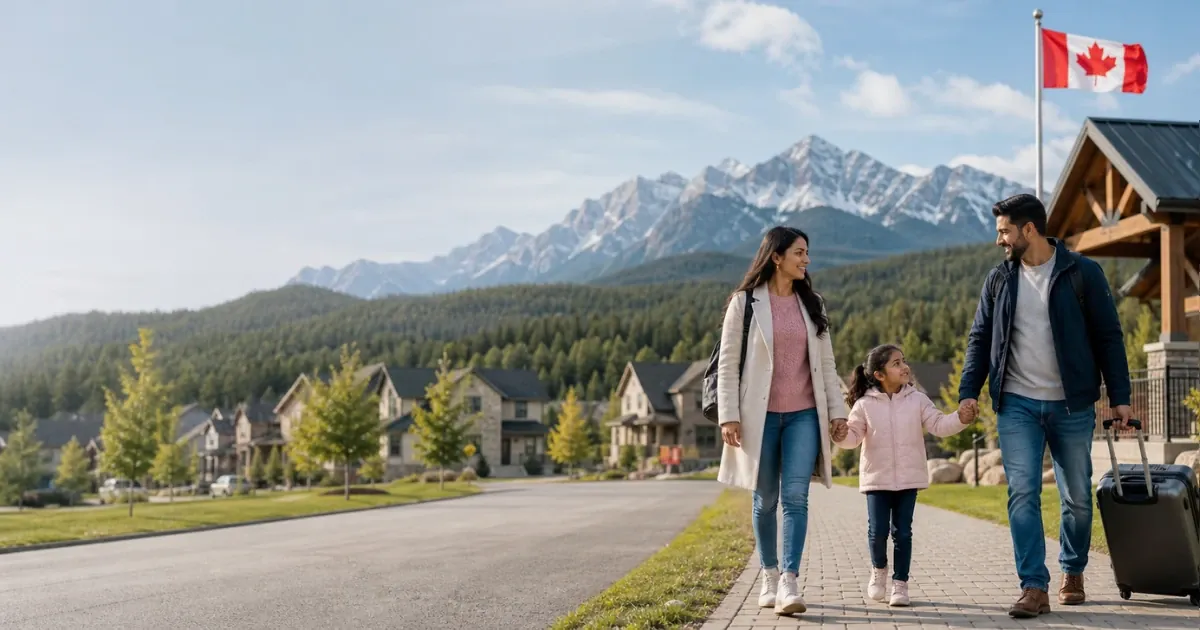
Canada is now turning the Canada RCIP Program, previously known as the Rural Community Immigration Pilot (RCIP) into a permanent residence. This will give foreign workers job offers in small communities which will provide them with a more stable route to settle in Canada.
Immigration Minister Lena Metlege Diab announced the changes on the 9th of Nov. 9 in Stellarton, Nova Scotia. The pilot closes in its current form on Jan. 1, 2027, and continues the same day as the Rural Community Immigration Program.
This development is another option for Skilled workers who are looking for a Canada PR Visa to explore beyond the traditional immigration routes.
Bigger Targets In Admission
Ottawa plans to admit 5,500 permanent residents through the program in 2027, according to the 2027–2029 Immigration Levels Plan released on Nov. 5. The target rises to 6,000 in 2028 and 6,500 in 2029.
In 2026, the RCIP shared a single target of 8,175 admissions with several other economic pilots. Now it gets numbers of its own.
Which Communities Are Included
The federal government of Canada has announced that it will create a new way for the workers to get permanent residence if they have a job offer in one the fourteen (14) participating communities:
- Nova Scotia: Pictou County
- Ontario: North Bay, Sudbury, Timmins, Sault Ste. Marie, Thunder Bay
- Manitoba: Steinbach, Altona/Rhineland, Brandon
- Saskatchewan: Moose Jaw
- Alberta: Claresholm
- British Columbia: West Kootenay, North Okanagan Shuswap, Peace Liard
How Does The Pathway Works
There are not a lot of changes on the ground. The permanent program keeps the pilot’s model, where local communities and employers work together to fill jobs.
The candidates will need a job offer from an employer designated by a local economic development organization and also a recommendation from the community in order to qualify. They are also required to meet the requirements for work experience, education, language ability and settlement funds.
Candidates with a qualifying job offer and recommendation will get a two year, employer-specific work permit during their waiting time . Their spouses or common-law partners may be eligible for an open work permit, limited to jobs within the same community
This is different from the Canada PNP Program, which involves provincial or territorial nominations. RCIP operates through participating rural communities and designated employers under a separate federal immigration pathway.
Important Notes For Current Applicants
Applications already submitted under the pilot will keep being processed.
- Recommendation dated Dec. 31, 2026, or earlier: apply for permanent residence before its expiration by using the forms which are available online currently.
- Recommendation dated Jan. 1, 2027, or later: a new set of application forms will apply.
Since the pilot launched in 2025, more than 1,500 newcomers and their families have been admitted, according to the minister. Between January 2025 and August 2026, over 1,950 employers were designated and more than 4,700 job offers and community recommendations were issued.
Officials say these newcomers have helped ease long-running worker shortages in health care, education, and sales and services.
The RCIP replaced the Rural and Northern Community Immigration Pilot, which brought in more than 12,000 newcomers and family members between 2019 and 2024.
Understanding these changes doesn’t need to be confusing. Our experts at Glocal Opportunities can explain what these updates mean for you and help you choose the right pathway. If you are looking for the best immigration consultants in India for guidance on your plans, our experts are here to help.You can call us at 9958524200 or email at info@glocalopportunities.com.
Frequently asked questions
What is Canada's Rural Community Immigration Program?
The Rural Community Immigration Program is the permanent version of the Rural Community Immigration Pilot (RCIP). It offers permanent residence to skilled workers who have a job offer from a designated employer and a recommendation from one of the participating rural communities.
When does the RCIP become a permanent program?
The Rural Community Immigration Pilot closes in its current form on January 1, 2027, and continues the same day as the permanent Rural Community Immigration Program.
Which communities take part in the Rural Community Immigration Program?
Fourteen communities: Pictou County (Nova Scotia); North Bay, Sudbury, Timmins, Sault Ste. Marie and Thunder Bay (Ontario); Steinbach, Altona/Rhineland and Brandon (Manitoba); Moose Jaw (Saskatchewan); Claresholm (Alberta); and West Kootenay, North Okanagan Shuswap and Peace Liard (British Columbia).
How many people will Canada admit through the program?
The 2027–2029 Immigration Levels Plan sets targets of 5,500 permanent residents in 2027, 6,000 in 2028 and 6,500 in 2029.
What happens if I already have an RCIP community recommendation?
If your recommendation is dated December 31, 2026, or earlier, apply for permanent residence before it expires using the forms currently available online. Recommendations dated January 1, 2027, or later use a new set of application forms. Applications already submitted under the pilot will continue to be processed.
Is the RCIP the same as the Provincial Nominee Program?
No. The Provincial Nominee Program relies on a provincial or territorial nomination, while the RCIP is a separate federal pathway that works through participating rural communities and their designated employers.